
Exam stress and teenagers
Exam stress, results and the uncertainty of what comes next can feel overwhelming for both parents and teenagers. It helps to build skills for managing exam expectations and handling academic pressure. Check out the resources for practical tips and stories about how other parents and carers support their teenagers through exam anxiety and stress.

Understanding exam stress in teenagers
Find out what causes stress during exams, the signs of stress, and ways your teen can manage their wellbeing.

Practical strategies for managing exam stress
Support your teen with a range of strategies to help them manage their stress before, during and after exams.

How to make a study schedule with your teenager
Creating a study schedule can help alleviate your teen’s exam stress by encouraging them to stay organised and motivated.

Surviving Year 12: A parent's guide to self-care
Year 12 isn’t only stressful for teens. Find out how Stephanie prioritised self-care to get herself and her three children through their final years of schooling.

How to help your teenager avoid distractions while studying
Use these tips to help your teenager avoid distractions while studying.

Ask an expert: Exam stress and neurodiversity
Neuroaffirmative psychologist Kate Plumb answers common questions parents and carers have about supporting neurodivergent teens through exam stress.

How to help young mob manage study stress
The pressures of school, study and exams can be stressful for your young ones. Get tips on how you can help them to take time out, have fun and better manage their study–life balance.

How to manage teens' expectations after exams
There are many ways you can support your teen if they’re feeling stressed and anxious ahead of results day.

Quiz: Reflecting on your expectations
Take this quick quiz to find out if you and your child are on the same page, and what you can do to make things easier for you both at results time.

How Jane supported her daughter through Year 12 and unexpected life events
Jane speaks about the opportunities available through this time, filling her own cup and how she supported her family during COVID-19.

What do you do when school just isn't working?
Lucy Clarke talks about how school was never going to be the right fit for her daughter.

Uni students on how to be a supportive parent during Year 12
Uni students share the best thing their parents did to help them with exam stress through their Year 12 exams.

Stories of helping teens figure out life after high school
It can be frustrating for teens who have no idea what they want to do after Year 12. Hear from five families about what they did after exams and high school.
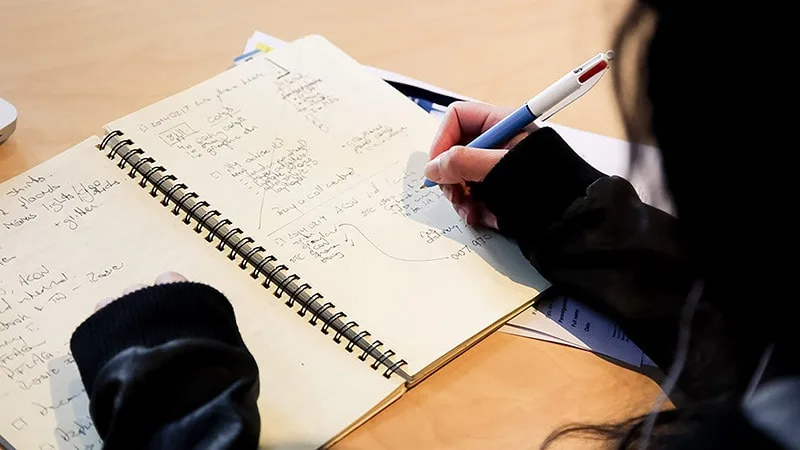
A parent's story about exam stress
How a father helped his daughter beat stress with sound strategies, communication and patience.
Frequently asked questions about exam stress and teenagers
Exam stress in teens can be caused by many things. Common triggers include:
high expectations from themselves, parents, or teachers
fear of failure, worrying about letting people down or not meeting goals
poor preparation, feeling behind or unsure how to study effectively
perfectionism and setting impossibly high standards
life outside school, stress at home, friendship issues, or health concerns that make focusing harder.
Every teen is different, so it helps to understand your teen’s stress before working with them on solutions.
Yes. Feeling nervous before exams is a normal human response. A little exam stress can even be helpful, motivating your teen to study and stay focused. But when anxiety becomes overwhelming, like causing trouble sleeping, panic attacks, or avoidance, it can start to affect their wellbeing and performance. That’s when it’s time to step in with support and possibly seek professional help.
Hear one parent’s story about how they supported their teen through exam stress.
Exam stress can often kick in a few weeks before exams, especially when revision timetables start or assessment deadlines pile up. For some teens, stress builds gradually, while for others, it peaks the night before or even the morning of the exam. Big transition points, like Year 10 exams, Year 12 trials, or final assessments, can trigger higher-than-usual stress levels. Learn more about exam stress and teens.
Here’s how you can support your teen’s learning without making them feel overwhelmed.
Focusing on effort—not just results—by encouraging persistence, problem-solving, and progress.
Avoiding comparisons with their peers. Every student learns at a different pace and in different ways.
Keeping perspective. Remind them exams are important, but that they’re not the only measure of success.
Listening more than talking. Sometimes teens just need to feel heard without judgement or extra advice.
Think of it as being more like a teammate and supporting them in developing practical strategies to manage study and exam stress.
Here are some strategies to try with your teen to help calm nerves if they're stressed about upcoming exams:
Help them prepare a study plan. Knowing what and when to revise can ease last-minute panic.
Encourage breaks and movement. Physical activity can help lower stress hormones.
Promote healthy habits, like good sleep, balanced meals, and staying hydrated.
Encourage relaxation techniques, such as deep breathing, mindfulness apps, or calming music, which can help them relax before walking into the exam room.
Reassure them, letting them know you’re proud of them for showing up and trying, regardless of the result.
Read more about practical strategies to manage exam stress.